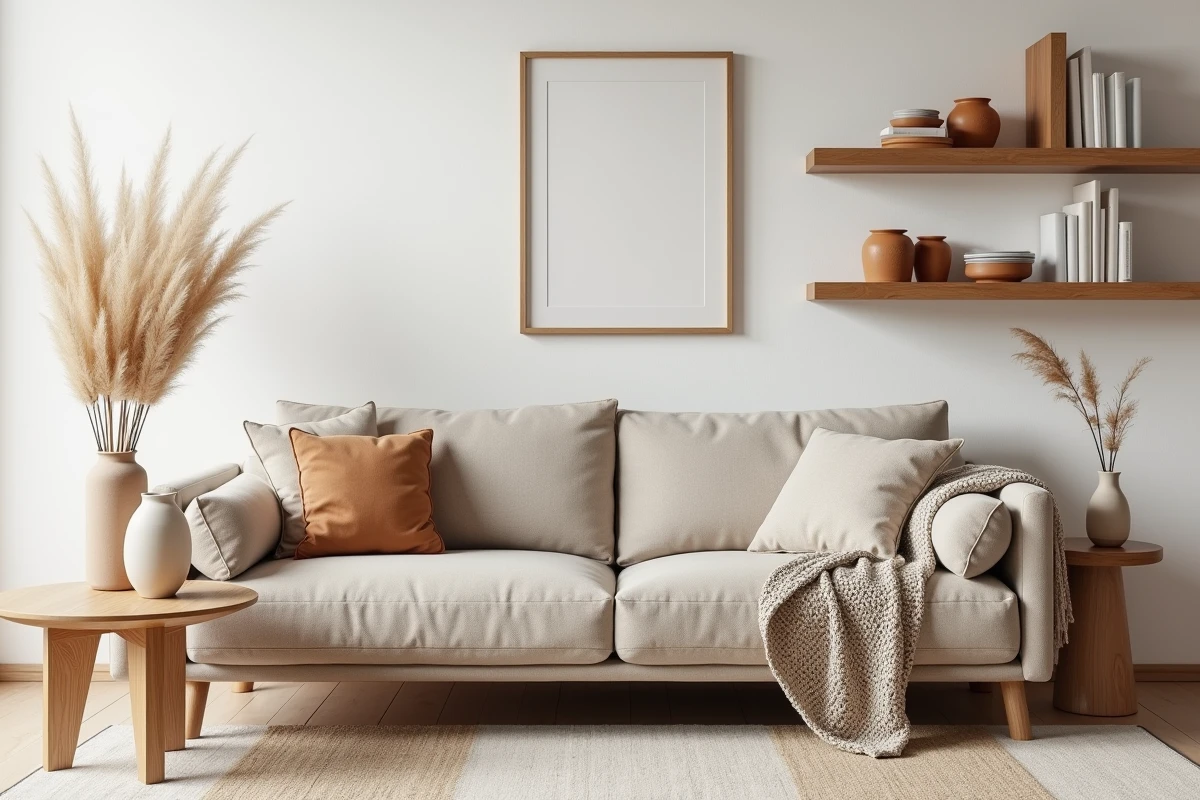
Creating a modern cocooning space requires making precise choices about light, textures, and the layout of each room. Between space constraints, available materials, and desired ambiance, the concrete translation of a cocoon atmosphere varies from one home to another.
Natural and artificial light: the most underestimated lever of a cocoon atmosphere
Before touching the furniture or colors, light conditions the perception of a space. A room bathed in cold lighting will appear clinical, even with raw wood and linen cushions. In contrast, warm light transforms an ordinary living room into a refuge.
When it comes to natural light, the classic reflex is to clear the windows. Thick sheers or opaque double curtains can absorb half of the incoming light. Replacing a lined curtain with a light voile is enough to noticeably change the brightness of a room.
For artificial lighting, layering sources makes a difference. A single ceiling light flattens the volumes. Combining a reading lamp, an indirect floor lamp, and a few candles creates areas of shadow and warmth that invite you to settle in. Adjustable temperature bulbs allow you to switch from neutral white during the day to an amber tone in the evening.
Those exploring RapidActu’s home universe regularly find ideas for adapting these principles to various configurations, from studios to pavilions.
Materials and textures in the living room: choosing based on the actual use of the room
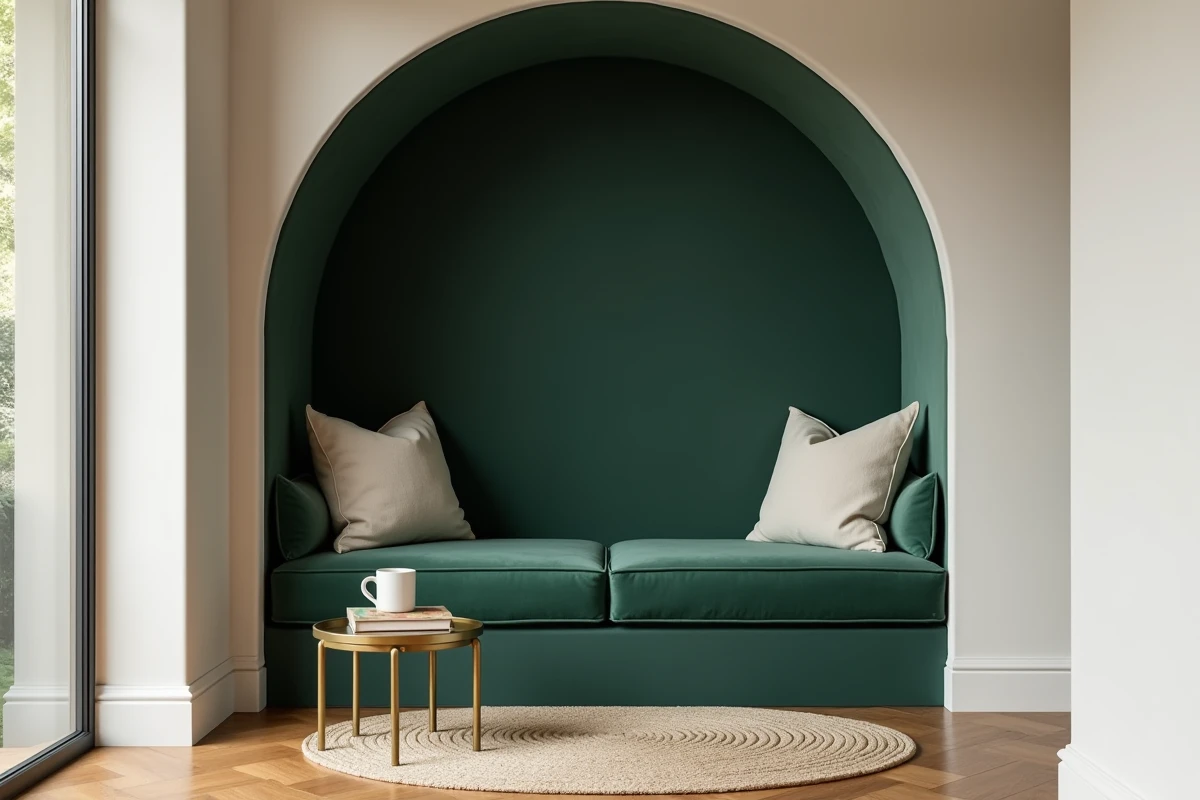
Wood, linen, boucle wool: these materials appear in all cocooning inspirations. The trap is to accumulate them without considering daily life in the room.
A living room frequented by children, a dog, and meals taken at the coffee table has different needs than a space reserved for reading. Field feedback varies on this point: some designers recommend washable fabrics as a top priority, while others favor the nobility of the material, even if it means accepting wear.
Balancing visual comfort and maintenance
A corduroy sofa ages quickly if no one maintains it. Corduroy attracts hair and dust, and stains embed themselves without preventive treatment. In contrast, a tightly woven boucle fabric withstands daily friction better while retaining a warm appearance.
For the coffee table or shelves, raw solid wood marks easily. An oiled or waxed finish protects the surface without adding a plasticky look that disrupts the desired natural ambiance.
- Boucle fabric or microfiber for seats used several hours a day, combining softness and stain resistance
- Oiled wood for living room furniture, to be re-oiled once or twice a year depending on exposure
- Washed linen for cushions and throws, which gains in softness after each wash
- Merino or alpaca wool for sofa throws, reserved for areas less exposed to friction
Cocooning bedroom decor: what really changes the feeling
The bedroom is the room where the cocoon effect is most pronounced, because we spend time there in a state of rest. Two factors matter more than anything else: the quality of the bedding and the absence of visual pollution.
A dense cotton sheet, paired with a light down comforter, significantly alters the perceived comfort. Cheap synthetic bedding retains heat without breathing, leading to nighttime awakenings and a feeling of dampness that is not compatible with the idea of a cocoon.
Reducing visual noise in the sleeping space
Decor magazines pile accessories on nightstands: candles, books, plants, frames. In practice, a decluttered bedroom promotes falling asleep. One object per surface, a wall without frames, a clear floor: this minimalism is not cold; it creates mental space.
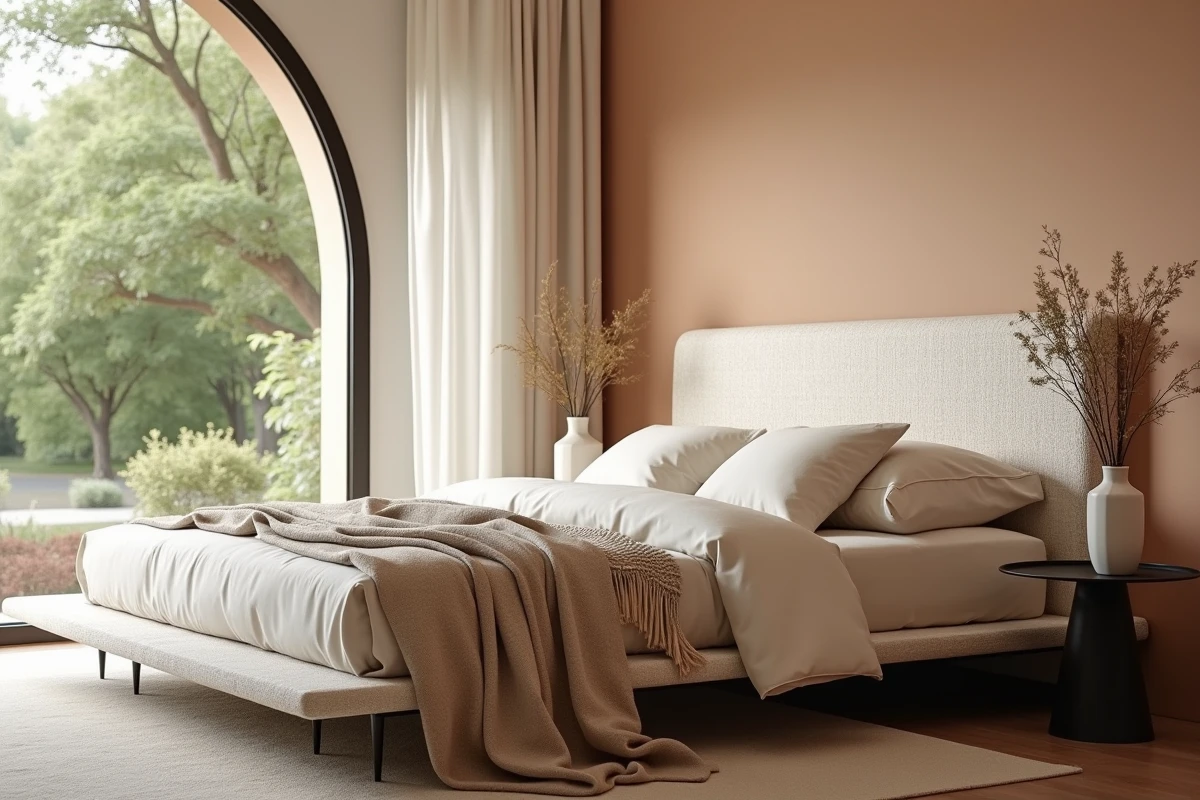
The color of the walls plays a direct role. Muted shades (sage green, pale terracotta, rosy beige) absorb light without reflecting harsh glare. No study designates a single shade as favorable for sleep, but neutral and matte tones consistently appear in comfort-oriented decor projects.
Layout and circulation: the constraint that decor alone cannot solve
No accumulation of throws and candles can make up for a poorly thought-out layout. If the passage between the sofa and the table requires contortion, the living room will never be comfortable.
The minimum circulation space around furniture conditions comfort as much as style. An armchair placed too close to a wall prevents natural seating. A dining table pushed against a partition turns every meal into a logistical exercise.
- Leave sufficient clearance between each seat and the nearest piece of furniture to allow for easy standing
- Position bulky furniture (buffet, bookshelf) against the longest walls to free up the center of the room
- Prefer raised furniture rather than those placed directly on the floor: the visible space under the furniture visually enlarges the room
In small spaces, a mirror placed opposite the main light source gives a depth that layout alone cannot create. This is not a decorative trick: it is a layout tool that genuinely alters the perception of volume.
Transforming an interior into a modern cocoon relies less on a specific style than on a series of coherent choices regarding light, materials, layout, and simplicity. A good indicator: the time spent spontaneously in a room without feeling the need to change it.