In an increasingly eco-conscious world, the importance of composting has taken center stage. This natural process of decomposing organic waste offers an ecological alternative to landfilling and incineration. Yet, its effects on the environment and biodiversity remain poorly understood by many citizens. Indeed, composting influences not only the carbon cycle but also soil quality, plant health, and species diversity. To better grasp these impacts, it is essential to adopt this ecological practice.
Compost: an ally for soil health and the environment
The importance of compost for soil health and environmental preservation is a well-established fact. By nourishing agricultural lands and our gardens, it promotes the development of a diverse and robust flora. However, few are aware of its role in regulating mosquito populations • an idea encapsulated by the term ‘compost mosquitoes’.
Contrary to what many assume, organic waste decomposing in a well-maintained compost pile should not attract these pesky insects. In fact, a properly managed composter maintains a heat that is not favorable for mosquito larval development. Moreover, if all the components of the composter are regularly mixed to be exposed to the various temperatures generated internally, no eggs or larvae will survive long enough to reach adulthood.
The concept of ‘compost mosquitoes’ goes even further: rather than being a source of the problem of massive infestations of unwanted mosquitoes in your garden during the warm season, it could well be an essential part of the solution.
In reality, compost can play an important role in the fight against these flying pests by providing a suitable habitat for their natural predators such as birds, bats, or ladybugs that literally feast on them. A soil enriched with compost also encourages the emergence of other beneficial organisms that feed on the larvae of these pests.
Thus, ‘compost mosquitoes’, when properly managed and well-designed, translates into an effective ecological approach not only to improve soil quality but also to control local populations of these nuisances without harming other beneficial inhabitants of the garden.
It is therefore clear that composting, far from being a catalyst for mosquito infestation, can actually prove to be a valuable weapon in our ongoing battle against these annoying little creatures. Abandoning this fundamental ecological practice could ultimately do us more harm than good. ‘Compost mosquitoes’ turns out to be a doubly beneficial strategy: for our environment and for our summer evenings outdoors.
Compost: a booster for biodiversity
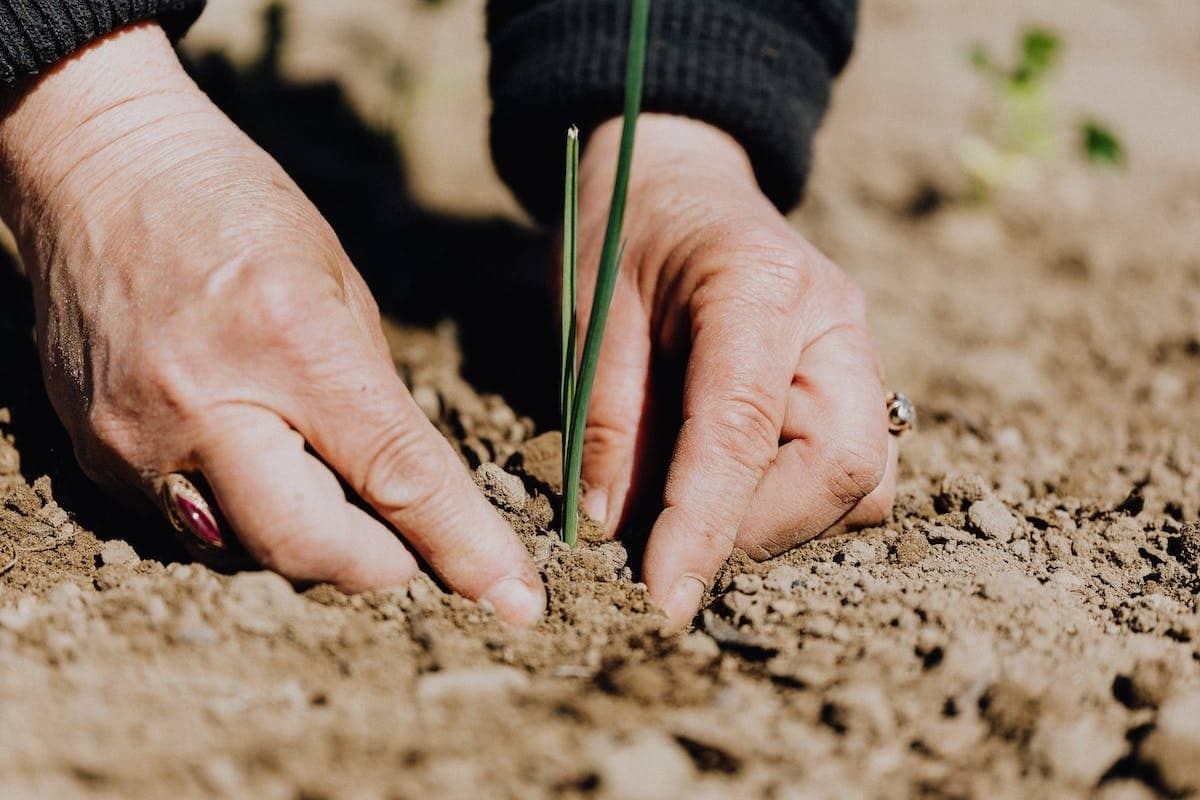
When discussing the impact of compost on biodiversity, it is important to highlight the numerous positive effects this practice can have. By promoting the recycling of organic waste, compost contributes to waste reduction and a more responsible use of natural resources.
Compost significantly enriches soil quality by providing a balanced nutrient supply. This natural food stimulates plant growth and enhances their resistance to diseases and pests. Thanks to its airy and crumbly structure, it also improves the soil’s water retention capacity while promoting adequate drainage.
This favorable environment created by compost attracts a multitude of beneficial organisms that play a vital role in ecological balance. Earthworms thrive in this rich organic matter environment, ensuring better soil aeration and natural fertilization through their nutrient-rich excrement.
Similarly, microorganisms such as bacteria and fungi thrive abundantly in compost. They actively participate in the decomposition of organic materials while releasing beneficial substances for plants. These microorganisms are also essential for maintaining a microbiological balance in the soil, thus ensuring its sustainable fertility.
Beyond contributions directly related to the soil, compost plays an essential role in preserving biodiversity as such. Indeed, by promoting better plant health, it creates a suitable habitat for a wide variety of insects and animals that depend directly or indirectly on these ecosystems.
Beneficial insects such as bees and other pollinators find in compost an additional food source thanks to the flowers that bloom more vigorously in this nutrient-rich soil. This is particularly crucial given the fundamental role of pollinators in our global food system.
Some bird species feed on the invertebrates present around the compost pile. They also find refuge to nest and raise their young there. The vegetated hedges created through compost provide shelter for various wildlife such as hedgehogs, frogs, and even some reptiles.
Furthermore, the use of compost represents much more than a simple ecological practice to improve soil fertility. It is also a powerful tool for promoting biodiversity and preserving our fragile natural ecosystems. By actively supporting this sustainable method, we contribute not only to improving our environment but also to ensuring our own survival on this unique planet where every element counts.
Types of compost and their benefits
In the realm of compost, there are different methods and types of composting, each with its specific advantages. We have heap composting, which is one of the most commonly used methods. It involves stacking organic waste in a heap, alternating with dry materials such as fallen leaves or straw. This type of composting allows for rapid decomposition due to good air circulation and promotes soil biodiversity.
We have bin composting. This method is ideal for people with limited space such as urban gardens or balconies. The airtight bins allow for easy containment of the decomposition process while avoiding the spread of unpleasant odors. They offer better compost management with different sections to sort the various stages of maturation.
Another approach is worm composting, which uses specialized worms called red worms (Eisenia foetida) to accelerate the transformation of organic waste into nutrient-rich humus. This compact system can even be installed inside a kitchen, greatly facilitating its daily use.
For those who wish to go even further in their ecological commitment, there is also bokashi. Originating from Japan, this technique uses a liquid ferment primarily composed of enzymes and microorganisms to decompose organic waste. This process is faster than traditional composting and also allows for composting waste such as meat, dairy products, and even certain types of biodegradable plastics.
We cannot forget community composting. This collective approach allows several people to use a centralized site to compost their organic waste. It encourages exchanges between neighbors while promoting responsible waste management at the local level.
Each type of compost offers its own advantages and can be adapted to the specific needs of each individual or community. Whether it is heap composting, bin composting, worm composting, bokashi, or community composting, all these systems actively contribute to preserving our environment by reducing our carbon footprint and creating fertile soil that nourishes biodiversity.
The most effective composting methods
Let’s continue our exploration of the most effective composting methods with drum composting. This modern approach facilitates the mixing and aeration of compost through a rotating drum. By simply turning the drum, it promotes the rapid decomposition of organic waste while limiting odors and pests. It is a practical solution for those seeking an easy and low-maintenance use.
Another interesting method is underground composting, also known as composting pits or trenches. This involves burying organic materials directly in the soil, which promotes their natural decomposition without the need for specific bins or heaps. This type of composting is ideal for those with a large outdoor space who wish to integrate their organic waste directly into their garden.
We cannot overlook vegetal composting. As its name suggests, this method involves composting only plant waste, particularly from fruits and vegetables. By excluding all animal products (meat, dairy) as well as certain materials like chemically treated cardboard, this practice helps avoid certain issues related to the fermentation process.
Each of these methods has its own advantages in terms of different but complementary technical knowledge to improve your environmental impact. To make the choice that suits you, consider various criteria such as space availability, the time and effort you wish to dedicate to composting, and the waste available for composting.
Whether it is heap composting, bin composting, worm composting, bokashi, community composting, drum composting, or vegetal composting, each method offers a solution to valorize our organic waste while preserving our environment and biodiversity. An interesting point to note: these methods can also be combined to maximize the efficiency of your composting process.
Using compost responsibly: best practices
Now let’s move on to the best practices for using compost responsibly. It is important to remember that compost should be used sparingly and in accordance with certain measures to ensure its effectiveness and minimize environmental risks.
Be sure to sort your waste properly before composting. It is best to avoid non-biodegradable materials such as plastic or glass, as well as chemicals that could disrupt the quality of the compost. Therefore, prioritize organic materials such as fruit and vegetable scraps, fallen leaves, or coffee grounds.
Compost: a solution for the future to preserve the environment and biodiversity
The future prospects for using compost in preserving the environment and biodiversity are promising. Indeed, more and more people are becoming aware of the ecological benefits it offers. Composting is a simple and accessible practice that can be implemented on various scales, whether at the individual, community, or even urban level.
At the individual level, everyone can contribute in their own way by adopting domestic composting. By transforming organic waste into compost, it is possible to significantly reduce our carbon footprint while producing a nutrient-rich natural fertilizer for our plants. Many households have already made this responsible choice and are enjoying the environmental and economic benefits it entails.
On a larger scale, community composting is also on the rise. Initiatives such as community gardens or urban farms often integrate this practice to improve local soil fertility while fostering social cohesion around a common project.
Some cities are now implementing municipal programs aimed at encouraging urban composting. City dwellers can thus actively participate in the sustainable waste management while improving their green spaces through locally produced fertilizer.
We must not overlook the crucial role of the agricultural sector in this future perspective for compost use. Introducing compost into traditional agricultural practices would not only allow for better management of organic waste but also a reduction in the use of chemical fertilizers and pesticides. This would help preserve soils and biodiversity while promoting more sustainable and environmentally friendly agriculture.
The use of compost in preserving the environment and biodiversity represents a real asset for our society. By adopting this practice on various scales, we can actively contribute to waste reduction, combat climate change, and protect our precious biodiversity. You must harness your individual power to create a healthier and more sustainable planet.