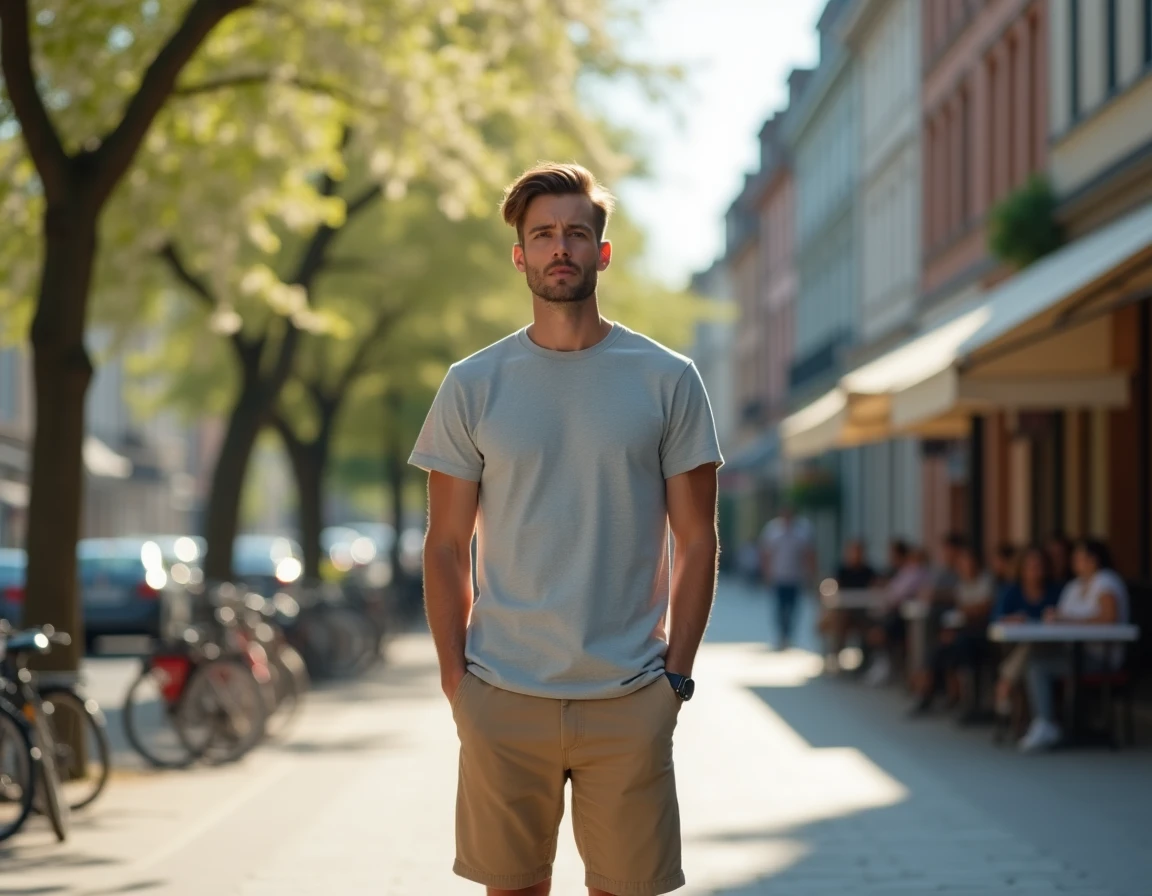
The question arises every spring, as soon as the thermometer exceeds twenty degrees: can one wear shorts without risking ridicule or chills? The answer doesn’t lie in a single number. Displayed temperature, wind, humidity, UV index, and level of physical activity radically alter the comfort felt. Setting a unique threshold is an oversimplification, and the available data invites us to think differently.
Perceived temperature and shorts: why the displayed temperature is not enough
A thermometer that reads twenty-two degrees in the shade can correspond to two very different realities. In full sun, with no wind, the sensation rises by several degrees. Conversely, a strong breeze or high humidity can drop perceived comfort well below the announced value.
Running guides illustrate this discrepancy well. Runners adapt their clothing not to the raw temperature, but to the perceived temperature combining wind, humidity, and effort. A jogger in shorts at fifteen degrees may be more comfortable than a stationary pedestrian at twenty-two degrees with wind. The level of physical activity changes the game: a moving body generates heat, which lowers the comfort threshold for bare legs.
Instead of searching for a magic number, it’s better to check the perceived temperature (often available on weather apps) rather than the actual temperature. If you’re unsure at what temperature to wear shorts, it’s this perception that should decide, not the mercury alone.
UV index and sun protection: the forgotten criterion for shorts in the city
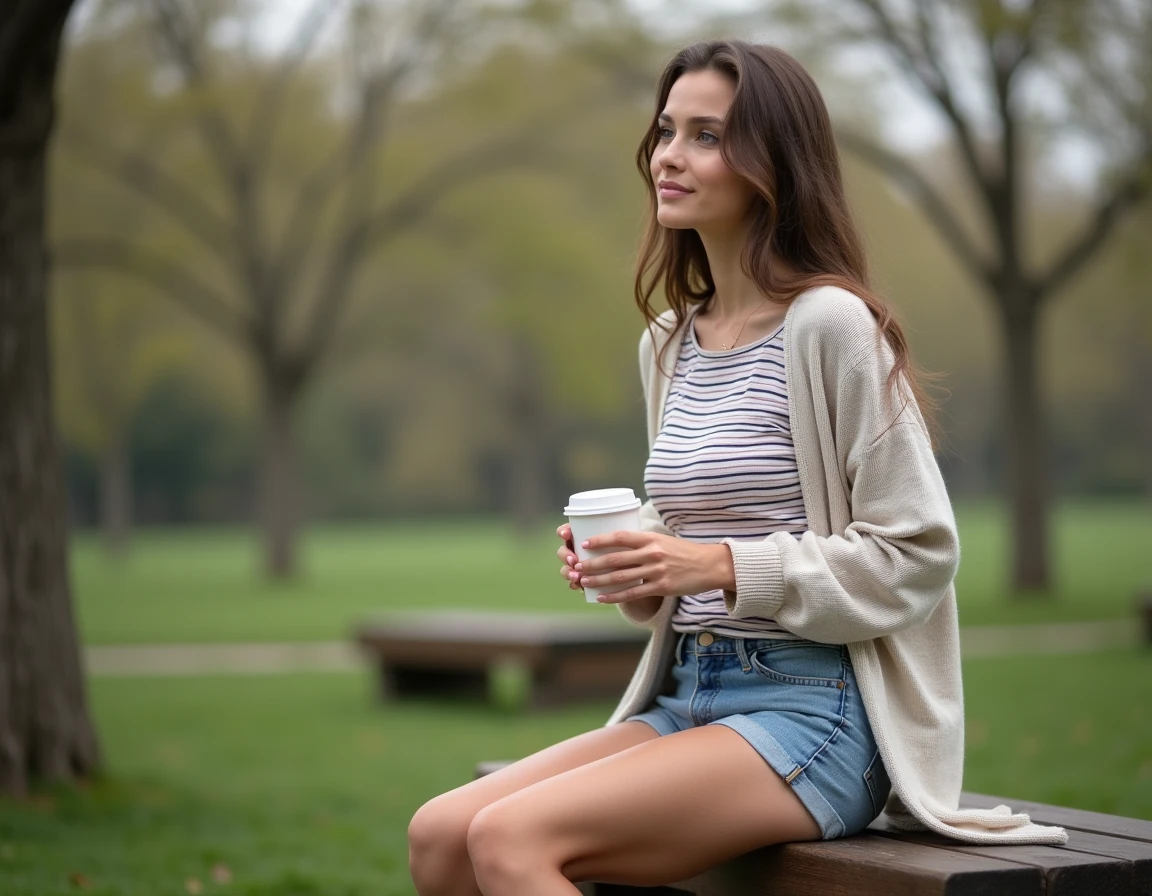
Public health recommendations have evolved on this point. A high UV index may justify covering more skin even at twenty degrees, especially between noon and four PM. In other words, the temperature allows for shorts, but sun exposure may advise against it.
This paradox is rarely addressed in fashion articles. We think in degrees, not in UV. Health authorities now systematically include exposure duration and radiation intensity in their clothing advice.
Shorts and sunscreen don’t solve everything
Applying cream to the legs does not replace a covering fabric when the UV index exceeds a certain threshold. Light anti-UV fabrics and breathable long sleeves have become a credible alternative for high-exposure days, even in the heat. Shorts remain relevant at the end of the day or under overcast skies, when radiation weakens.
- Check the UV index of the day before choosing your outfit, not just the temperature.
- Prefer shorts for outings in the morning or late afternoon when UV decreases.
- In strong UV and prolonged exposure, linen or lightweight cotton pants offer better protection than sunscreen alone.
Comfort thresholds for shorts by age and activity
Tolerance for shorts varies greatly from person to person, and age significantly alters thermoregulation. Specialized guides for infants recommend shorts or light dresses starting from twenty to twenty-five degrees, but always with a wide-brimmed hat and enhanced UV protection. Young children regulate their body temperature less effectively than adults.
For a sedentary adult (office, terrace, transport), the comfort zone for shorts generally lies above twenty-two to twenty-three degrees perceived, in the absence of wind. For an active adult (walking, cycling, sports), this threshold drops significantly: many athletes switch to shorts at just fifteen degrees without discomfort.
The mid-season trap
Spring and early autumn present a specific problem. The temperature can vary by ten degrees between morning and afternoon. Going out in shorts at two PM and returning frozen at seven PM is a classic. Bringing lightweight pants or a pair of shorts to slip on remains the most reliable strategy for these unstable days.
Choosing your shorts based on material and cut for each temperature
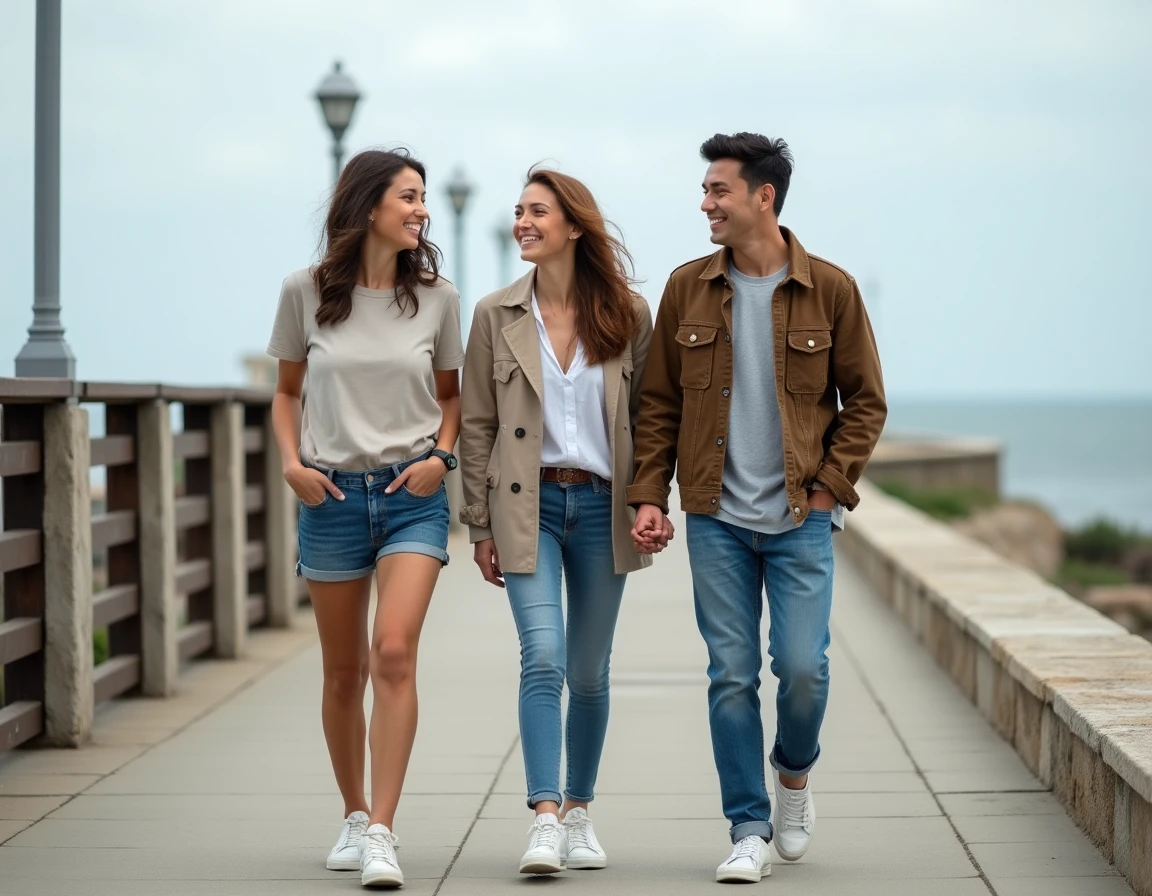
The type of shorts matters as much as the decision to wear them. Not all shorts are equal when facing relative cold or heat.
- The linen or lightweight cotton shorts are suitable for hot days, above twenty-five degrees, thanks to their breathability.
- Denim or thick canvas shorts offer a bit more warmth and work well around twenty degrees, especially with a light breeze.
- Sports shorts made from technical materials wick away sweat and adapt to a wide range of temperatures, but remain limited to casual or sporty contexts.
- For a more structured look, a mid-weight cotton chino short paired with a lightweight shirt works well both in the city and on the terrace.
Length also plays a role. A short that stops above the knee exposes more skin to the sun and wind. A mid-thigh bermuda offers a compromise between style and protection.
The choice of color is also significant. Light shades (white, beige, sky blue) reflect light better and limit heat buildup. Dark colors absorb more, which can become uncomfortable under direct sunlight.
Setting a universal threshold for wearing shorts doesn’t make much sense. Displayed temperature, perceived comfort, UV index, activity level, and body type create too many variables. The only reliable rule remains to cross-reference the perceived temperature with exposure conditions before deciding, and to keep a backup option in your bag when the weather is uncertain.