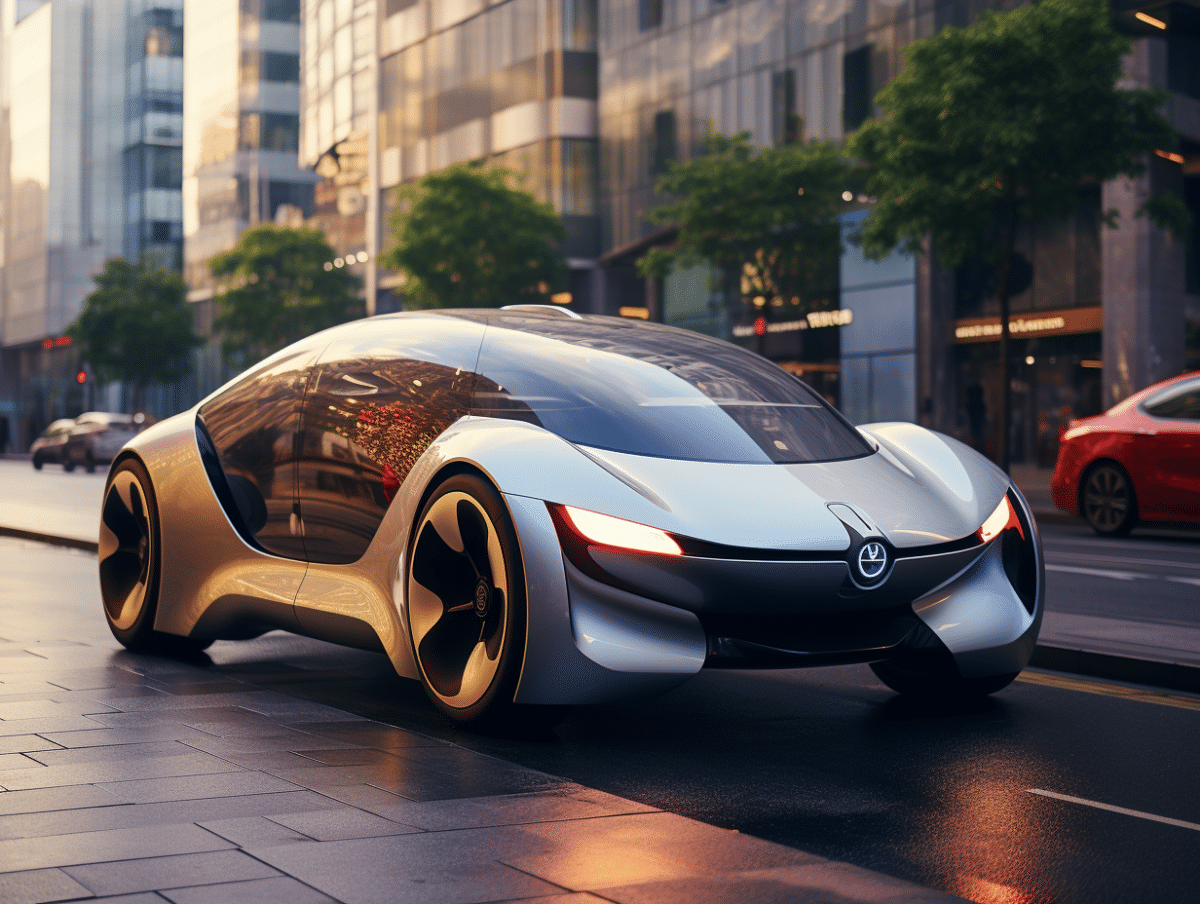
Faced with a rapidly changing automotive industry, Apple is preparing to revolutionize the market with its futuristic vision of mobility. The Cupertino firm, famous for its innovations in the information technology sector, seems ready to extend its footprint beyond smartphones and computers. Rumors suggest an electric vehicle equipped with cutting-edge autonomous driving technology, embodying the sleek design and intuitive interface characteristic of the brand. By leveraging its expertise in software and hardware integration, Apple aims to transform the driving experience while addressing current environmental challenges.
Apple’s Innovations to Transform the Automotive Industry
Apple, the American multinational technology company known for combining high technology, design, and ergonomics, is now tackling the automotive industry. With a market capitalization of $819 billion last September, the Apple brand has considerable resources to drive its innovation strategy. As part of this new horizon, it intends to reinvent the very concept of a vehicle, focusing on breakthrough technologies. Analysis of Apple’s autonomous car launch forecasts reveals an approach that relies on the integration of advanced driver assistance systems. These technologies, coupled with a revolutionary user interface, could redefine the automotive experience. Apple’s strategy in the automotive industry seems to follow the same disruptive path successfully taken in the consumer electronics field.
The secrecy surrounding the development of this autonomous vehicle is inspired by Apple’s culture, a culture where innovation is kept under wraps until its official unveiling. This anticipation creates a palpable excitement, reinforced by the brand’s past successes in launching products such as the iPhone, iPod, and iWatch. Each of these products has, in its own way, redefined the standards of quality and ergonomics in their respective categories.
In the wake of iconic figures such as Steve Jobs and, today, Tim Cook, Apple maintains the image of a company at the forefront of technical progress and design. It is this image that, if successfully transposed into the automotive sector, could disrupt established norms and position Apple as a leader in a new highly competitive market. Note: the automotive industry is on the brink of a major transformation, and Apple is positioning itself to be a key player.
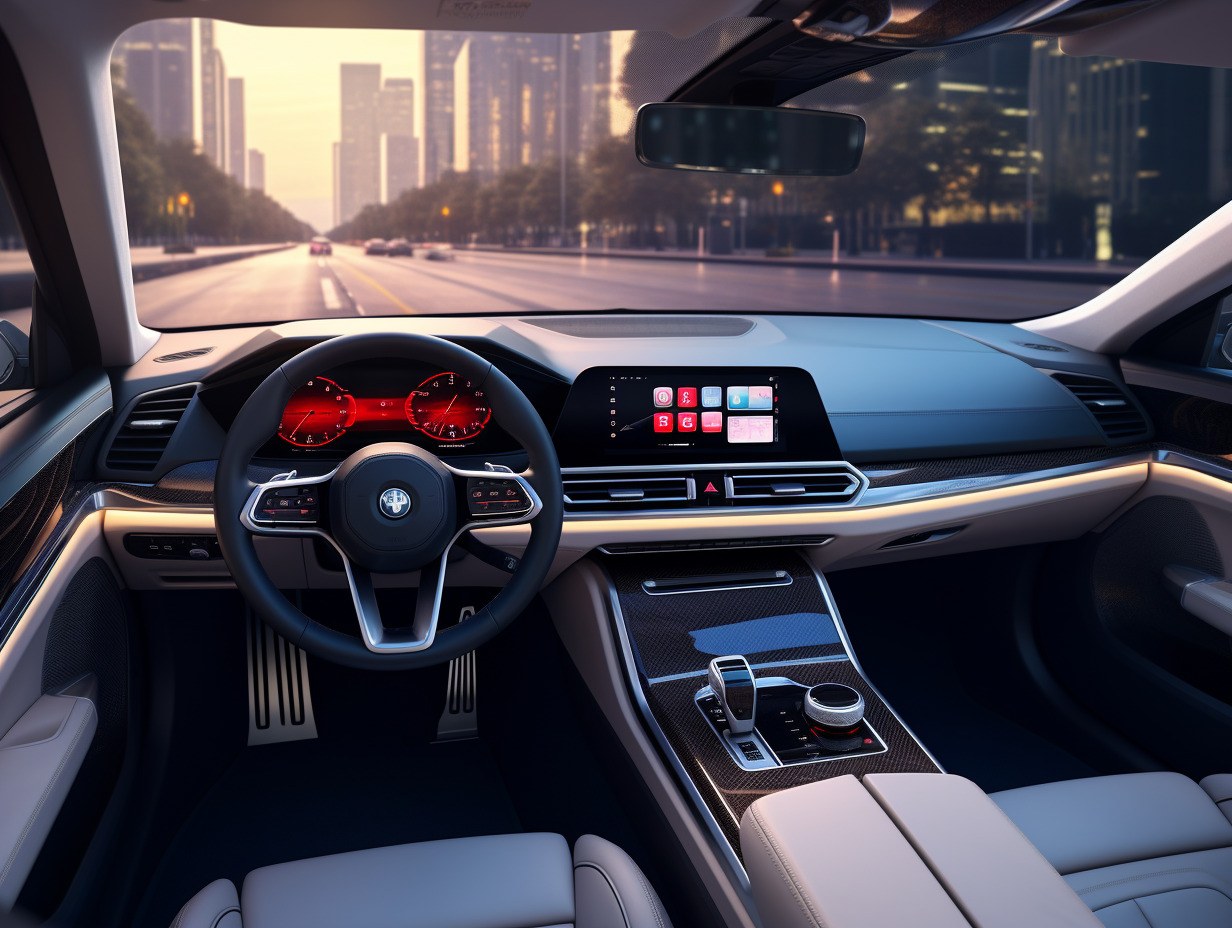
Apple’s Strategies and Technological Partnerships to Stand Out
In an ecosystem where competition is as fierce as that in tech, Apple’s strategy, led by prominent figures such as the late Steve Jobs and his successor Tim Cook, relies on a multifaceted approach. Communication, with its highly publicized Keynotes, is one of the cornerstones of this strategy. The Cupertino firm masters the art of creating breathless anticipation around its products, from the iPhone, sold in nearly 1.2 billion units since its launch, to the iWatch, its smartwatch. These presentations are true shows that captivate the audience and reinforce Apple’s brand image, inextricably linked to innovation and design.
Technological partnerships are also at the heart of Apple’s differentiation strategy. Alliances with luxury brands like Louis Vuitton evoke luxury and reinforce the premium positioning of its products, while collaborations with storage giants like SanDisk and investments from personalities such as Warren Buffett, who invested $18 billion in Apple, testify to the company’s strength and attractiveness in the financial and technological markets. These strategic associations allow Apple to anchor itself in a diverse ecosystem while benefiting from the notoriety and expertise of its partners.
It is important to emphasize that, in this ruthless tech universe, secrecy is cultivated and fiercely defended at Apple, a tactic initiated by Steve Jobs. This strategy of secrecy creates a halo effect around its products, generating curiosity and fascination. Café de la Bourse’s analysis of Apple’s marketing approach reveals a company that, far from simply competing on technical features, builds a narrative, an experience that transcends the product itself.