Sardinia concentrates its best shopping opportunities in formats that traditional guides do not distinguish: regional concept stores, farmers’ markets structured by an institutional network, and commercial port areas undergoing transformation. Here, we detail the addresses and routes worth a detour based on the type of product sought.
Made in Sardinia Concept Stores: The Format Redefining Sardinian Shopping
Since 2022, a network of concept stores branded “Made in Sardinia” has been established in Cagliari, Sassari, Alghero, and Olbia. According to the 2024 Osservatorio sul commercio e turismo from the Camera di Commercio di Cagliari-Oristano, these shops bring together under one roof Sardinian designer clothing, cork and wool items, gourmet food, and local wines.
The positioning is high-end, but the logic remains that of regional craftsmanship rather than international luxury. This is a point to grasp for those looking for where to shop in Sardinia without falling into standardized brands.
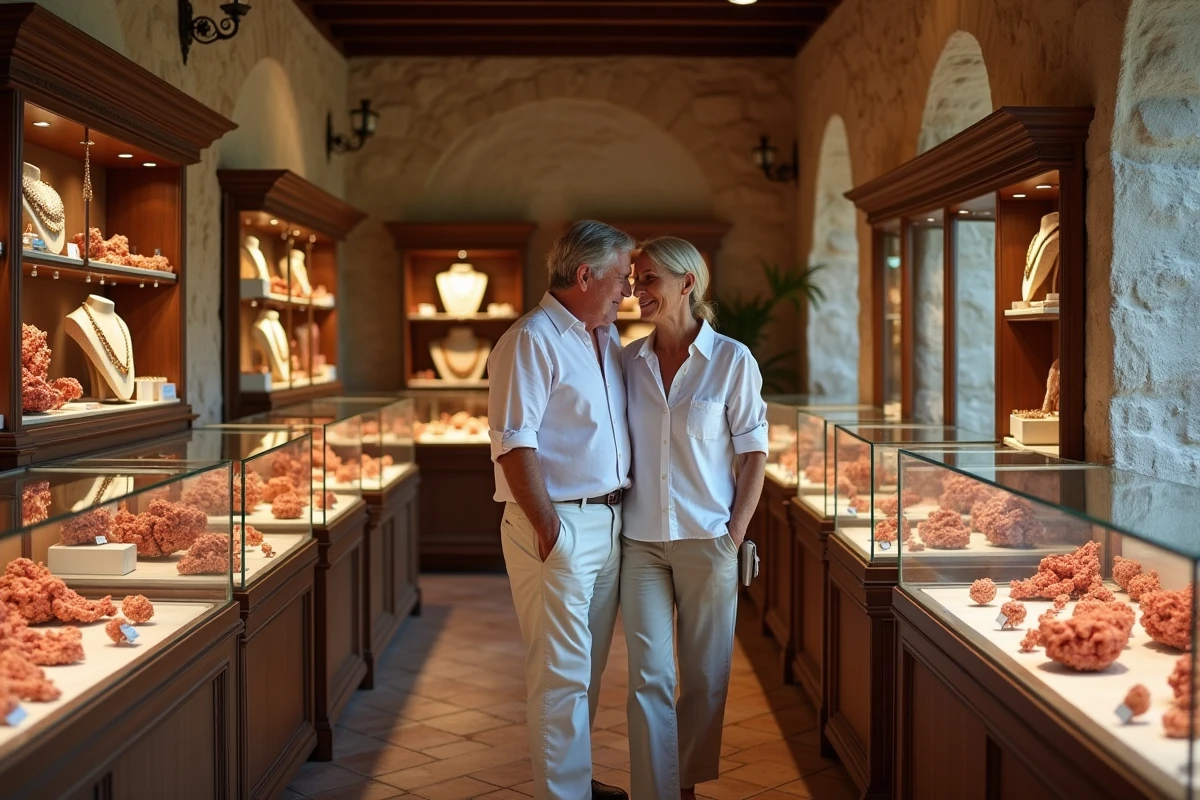
In Cagliari, the Marina district and via Manno concentrate several of these addresses. Alghero focuses more on red coral crafted by local workshops, while Olbia tailors its offerings to visitors of the Costa Smeralda with more contemporary design pieces.
We recommend prioritizing shops that display the origin of raw materials. Sardinian cork, for example, comes from Gallura: a serious concept store mentions it on the label.
Farmers’ Markets in Sardinia: A Network Structured by the Rete Mercati Contadini
Sardinian food markets are not just simple tourist markets. The Rete Mercati Contadini Sardegna, supported by the region as part of the 2023-2027 rural development program, oversees a direct producer-consumer sales circuit with traceability criteria.
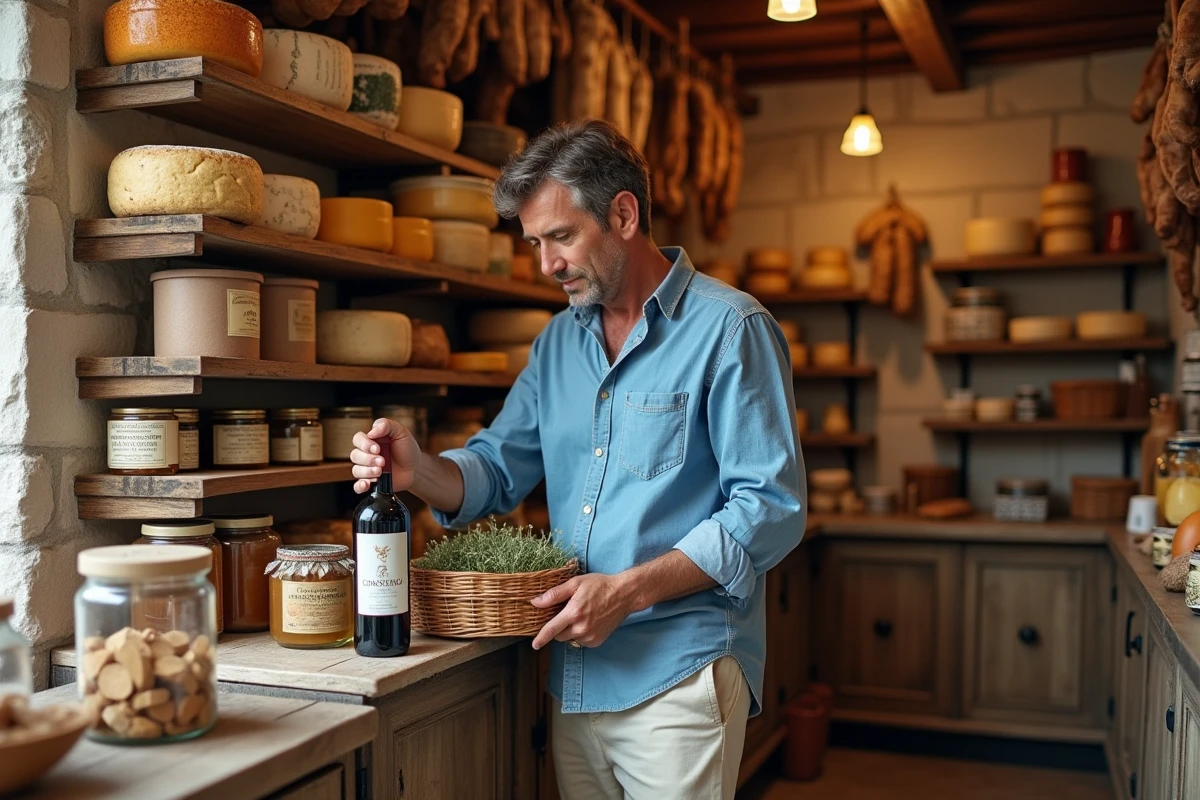
This network ensures that the products sold (cheeses, cured meats, olive oil, maquis honey, artisanal pasta) come from local farms. For visitors, the difference with a traditional market is tangible: prices are set by the producers, and volumes remain limited.
- In Cagliari, the San Benedetto market remains the reference for fresh fish and seafood, but the stalls of processed products often belong to wholesalers.
- The northern farmers’ markets (Gallura, Tempio Pausania) offer aged sheep cheeses and chestnut honey that cannot be found in large distribution.
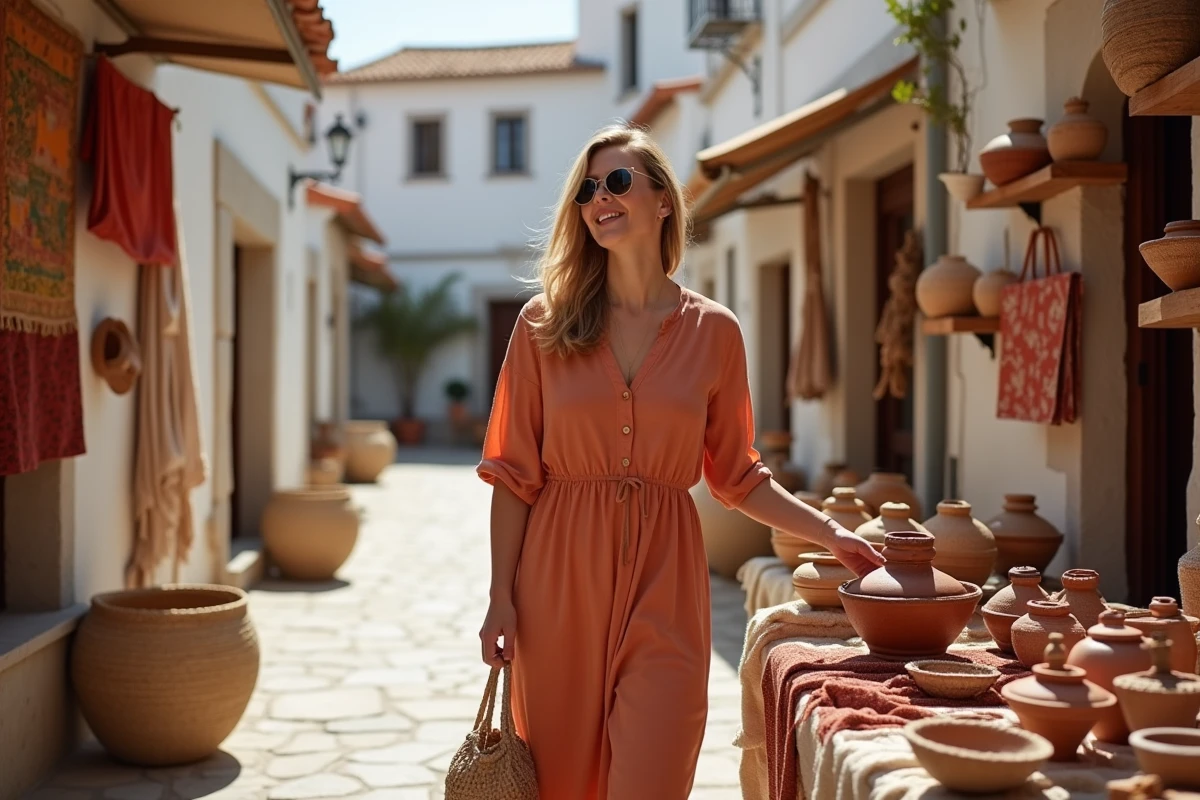
- In the center of the island, around Nuoro and Orani, weekly markets offer textiles in orbace (woven Sardinian wool) at significantly lower prices than coastal shops.
The schedule of farmers’ markets varies by season. In summer, frequencies increase in coastal areas. In the low season, one must rely on the inland towns.
Commercial Port Areas of Cagliari: The Rise in Cruise Passenger Spending
The Autorità di Sistema Portuale del Mare di Sardegna reports a marked increase in spending per cruise passenger between 2022 and 2024, directly linked to the development of new shopping areas within the port perimeter of Cagliari.
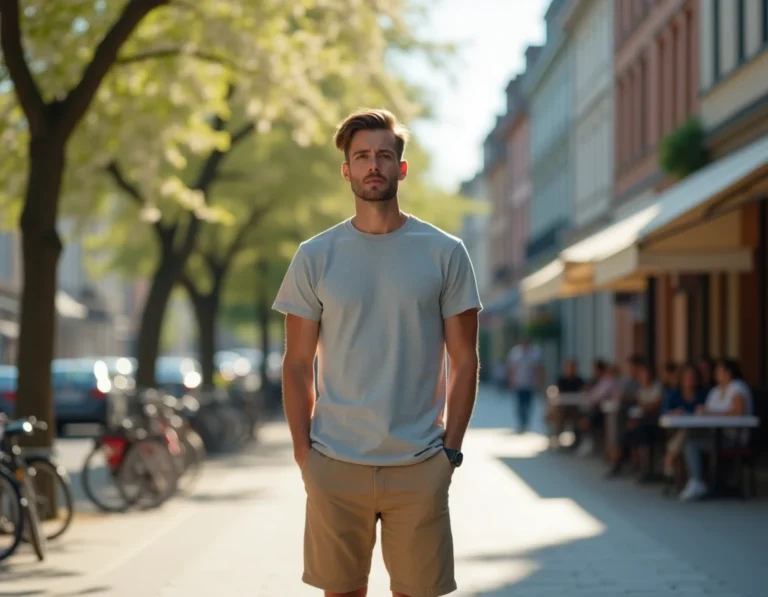
The city center of Cagliari is walkable from the port. The Castello district, located higher up, houses jewelry and ceramics workshops. Lower down, via Garibaldi and Corso Vittorio Emanuele feature Italian brands and independent shops.
For fashion shopping, the large stores Rinascente and Coin in Cagliari offer Italian brands with a mid-high-end positioning. However, the real added value lies in the small shops of the Stampace district, where local designers sell limited edition pieces.
Sustainable Shopping in Costa Smeralda and Sardinian Beach Resorts
Since 2023, several open-air shopping centers in Costa Smeralda, Chia, and Villasimius have adopted binding environmental charters. This movement affects packaging, product sourcing, and waste management in shopping galleries.
Porto Cervo remains the luxury hub with its international brands concentrated around the Piazzetta. However, we observe an evolution: several shops have incorporated lines from Sardinian designers into their collections, a signal that the local market is moving upscale.
In Santa Teresa Gallura and La Maddalena, shopping takes on a more relaxed turn. Seaside shops sell beachwear, artisanal leather goods, and sandals made in the northern part of the island. Prices are significantly lower than in Costa Smeralda for comparable quality products.
Sassari and Tempio Pausania: The Lesser-Known Alternatives of the North
Sassari, the island’s second city, has a historic shopping center around Piazza d’Italia. The shops here are less touristy than in Alghero, with prices adjusted to the local clientele.
Tempio Pausania, in the Gallura hinterland, concentrates cork processing workshops. Here, you can find bags, accessories, and decorative items sold directly by artisans, without intermediaries.
Shopping in Sardinia benefits from venturing beyond the coastal circuits. The most interesting addresses, in terms of value for money and authenticity, are often found just a few kilometers from the coast, in towns where artisanal production has not yet been absorbed by mass tourism.