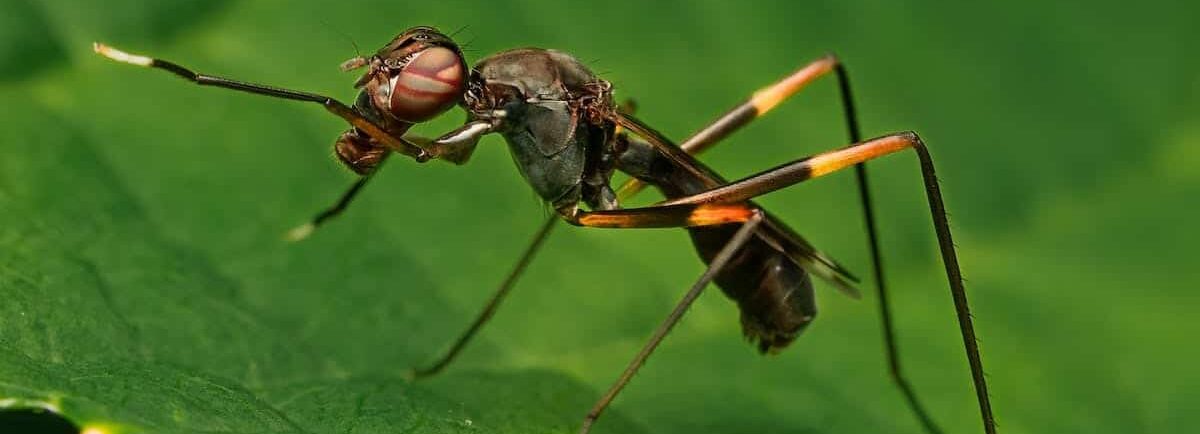
The world of insectariums is a fascinating universe, both delicate and complex, that requires true expertise to explore accurately. Thanks to the proliferation of free digital tools, the precise identification of insect species has become accessible to everyone. These tools, products of the digital age, have opened new perspectives for amateur and professional entomologists, offering them the ability to accurately identify insect species in the blink of an eye. Whether it’s your garden, a park, or a forest, every environment can become a springboard for scientific exploration.
The Importance of Accurate Insect Identification
To properly identify an insect from a free photo, it is essential to understand several key aspects.
The size of the insect can be decisive. Indeed, some species are characterized by their large wingspan or, conversely, their small size. The number and shape of the wings can vary significantly between different species.
The observation of the body can prove crucial for distinguishing one insect from many others. The presence of specific patterns on the back or a particular color can provide valuable information to refine your search.
Don’t forget that some clues are only visible from close-up photos: antennae with particular shapes or legs with varied morphologies are elements to consider in your identification.
Once these elements are spotted in the photo taken with your smartphone, for example, and uploaded online via a specialized tool, it will generally suggest several options with their corresponding photos to help you make the right choice • for free!
The exact term ‘identify an insect from a free photo‘ thus refers both to the very process of determination and to these digital interfaces that today offer this possibility at no cost. A true technological advancement in the exciting world of amateur entomologists.
Notable examples include: iNaturalist (an international social network), BugFinder (an American tool), and Identify My Bugs (an Australian platform).
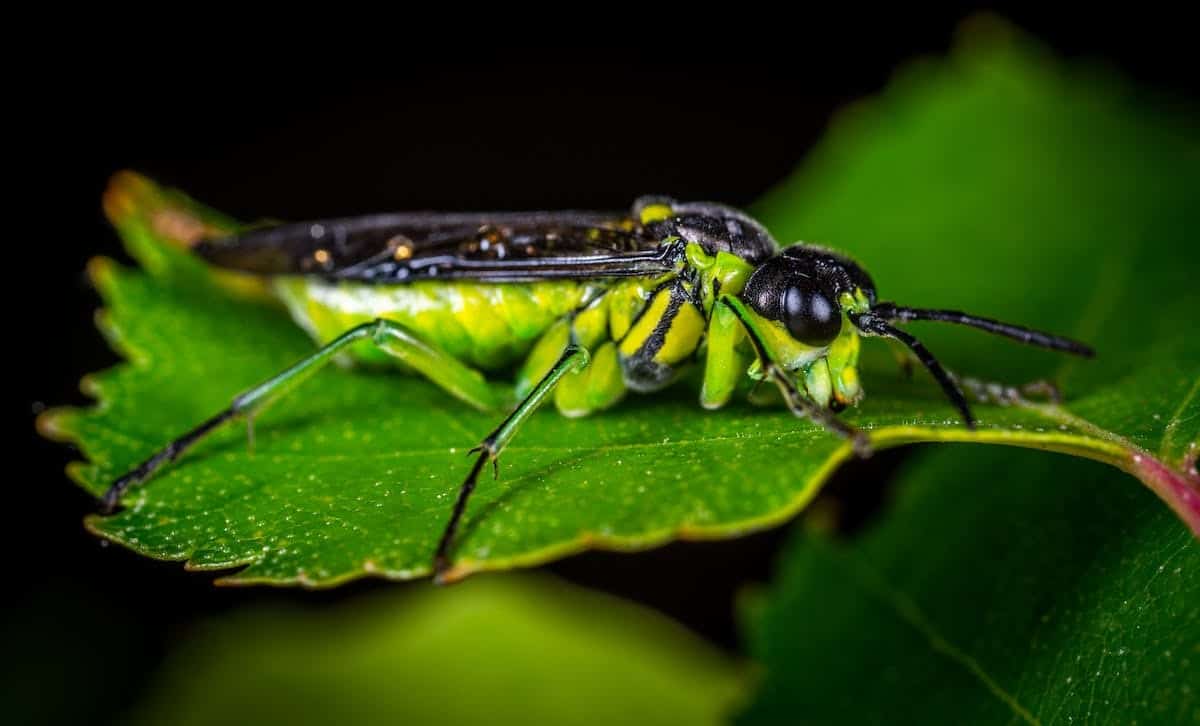
Keys to Identifying Insect Species
When it comes to accurately identifying insects, certain free tools stand out for their effectiveness. Among them, iNaturalist tops the list. This international social network allows entomology enthusiasts to share photos and observations to obtain a quick and reliable identification. Thanks to its active community and powerful artificial intelligence, iNaturalist can recognize a wide range of species.
Another interesting tool is BugFinder, developed in the United States. This application offers a user-friendly interface where you can upload your insect photos to obtain an accurate identification in just a few seconds. The powerful algorithm used by BugFinder analyzes the distinctive characteristics of each species to provide relevant results.
Identify My Bugs is also a very effective free tool for insect recognition in Australia. This platform offers a wide variety of visual resources such as high-resolution images and detailed anatomical diagrams to facilitate the precise identification of local species.
It is important to note that these free tools have their limitations and cannot always guarantee a 100% identification. Indeed, some species are morphologically similar or may exhibit several variations within a single population.
Thanks to technological advancements and the power of artificial intelligence, it is now possible to accurately identify insects for free using tools specifically designed for this purpose. Whether you are a passionate amateur or an expert entomologist, these tools can be of great help in your quest for knowledge about the fascinating world of insects. Don’t hesitate to use them and share your discoveries with the scientific community to contribute to the enrichment of entomological databases.
Free Tools for Recognizing Insects
When it comes to achieving an accurate identification of insects, there are many advantages for those looking to discover and identify different insect species.
Take the time to understand each specific tool and its mode of use. Each platform has its own unique features and interfaces, so it is important to familiarize yourself with them before starting the identification process.
A crucial step is to collect precise data on the insect you wish to identify. Take clear and detailed photos from different angles to capture all relevant details such as color, body shape, patterns, or distinctive characteristics such as antennae or wings. The clearer and more informative your images are, the better your chances of obtaining an accurate identification.
Upload these images to the chosen platform by carefully following all provided instructions. Be sure to indicate the location where you observed the insect as well as its approximate size if possible. This contextual information can greatly facilitate the identification process, as some insects are specific to certain geographical regions or exhibit morphological variations depending on their environment.
Once your images are uploaded to the respective platform, give the algorithms enough time to analyze your request. The different tools use advanced technologies such as artificial intelligence and machine learning to compare your images with a vast library of known species. Some tools may also call upon expert entomologists to verify the results.
Once the identification is proposed, take the time to carefully check the details provided by the tool. Consult the descriptions and compare them to the characteristics you observed on your insect. If you have any doubts or if the information does not quite match, do not hesitate to seek help from the community present on the platform.
Using these tools to accurately identify insects is a major advancement in our understanding of the natural world around us. Use them as a starting point for your personal exploration and contribute to the growth of shared entomological knowledge within the scientific community.
Benefits of Accurate Insect Identification
The accurate identification of insect species is of paramount importance in our understanding and preservation of biodiversity. That is why you need to know the free tools that allow us to accomplish this task accurately.
Thanks to these tools, we are able to recognize the different insect species that inhabit our gardens, parks, and forests. This in-depth knowledge gives us a better understanding of the ecosystems of which they are an integral part. Indeed, each species plays a specific role within its natural habitat.
By correctly identifying insects, we can also better understand their impact on the environment. Some may pose risks to human or animal health, while others can be beneficial as natural predators to regulate certain pests harmful to crops.
These free tools greatly facilitate the work of researchers and scientists specialized in the study and conservation of insects. The collection of precise data on insect populations contributes to enriching our knowledge as well as implementing effective measures for their protection.
It should be noted that some passionate amateurs devote a lot of time and energy to studying insects while sharing their observations with the scientific community. This desire to know and understand nature is praised and encouraged. They are very important players in the study and preservation of biodiversity.
Knowing the free tools to identify insects is essential for understanding and preserving the richness of our natural environment. It allows us to better understand their role in the ecosystem, assess their impacts on human and animal health, and implement concrete actions for their preservation. Whether you are a passionate enthusiast or a specialized scientist, these tools are essential for a thorough study of the insect species that inhabit our planet. So don’t hesitate to use them and contribute to the preservation of our beautiful biodiversity.
Knowing Free Tools for Identifying Insects
Beyond the traditional tools such as identification guides, many applications and platforms are now available to facilitate the accurate identification of insects. Among these free tools are iNaturalist, Pl@ntNet, and BugGuide, each offering their own unique specifications and functionalities.
One of the most popular applications is certainly iNaturalist. This application allows users to upload photos of insects and benefit from the power of the community to accurately identify the species in question. Thanks to its sophisticated algorithm, iNaturalist also provides a list of suggestions based on the observed visual characteristics. Experts can then validate or refine these proposals to achieve a reliable identification.
Pl@ntNet has also made a name for itself in the field of botanical identification but also includes a category dedicated to insects. By simply taking a photo with your smartphone and submitting it to the application, you quickly receive several species proposals corresponding to your observation. The main strength of this application lies in its large participatory database fed by users and verified by a team of professional curators. The more participants there are, the richer the app database becomes, and the more accurate the identification provided.
Another essential tool for free online insect identification is BugGuide. This interactive platform allows expert users to exchange information, post photos, and seek help for the identification of particularly complex species. Thanks to the active participation of its community, BugGuide offers a wide range of resources and invaluable expertise to solve the most delicate cases.
You must keep in mind that these tools are only an additional aid to facilitate insect identification. They do not replace the meticulous work and human expertise necessary to achieve an accurate identification. It is therefore recommended to cross-reference the information obtained with different sources and consult experts in case of doubt or complex observation.
Thanks to the many free tools available today, we have a powerful arsenal for accurately identifying the insect species that inhabit our natural environment. These applications and platforms are accessible to everyone, both amateurs and professionals, thus allowing for better knowledge and protection of biodiversity.