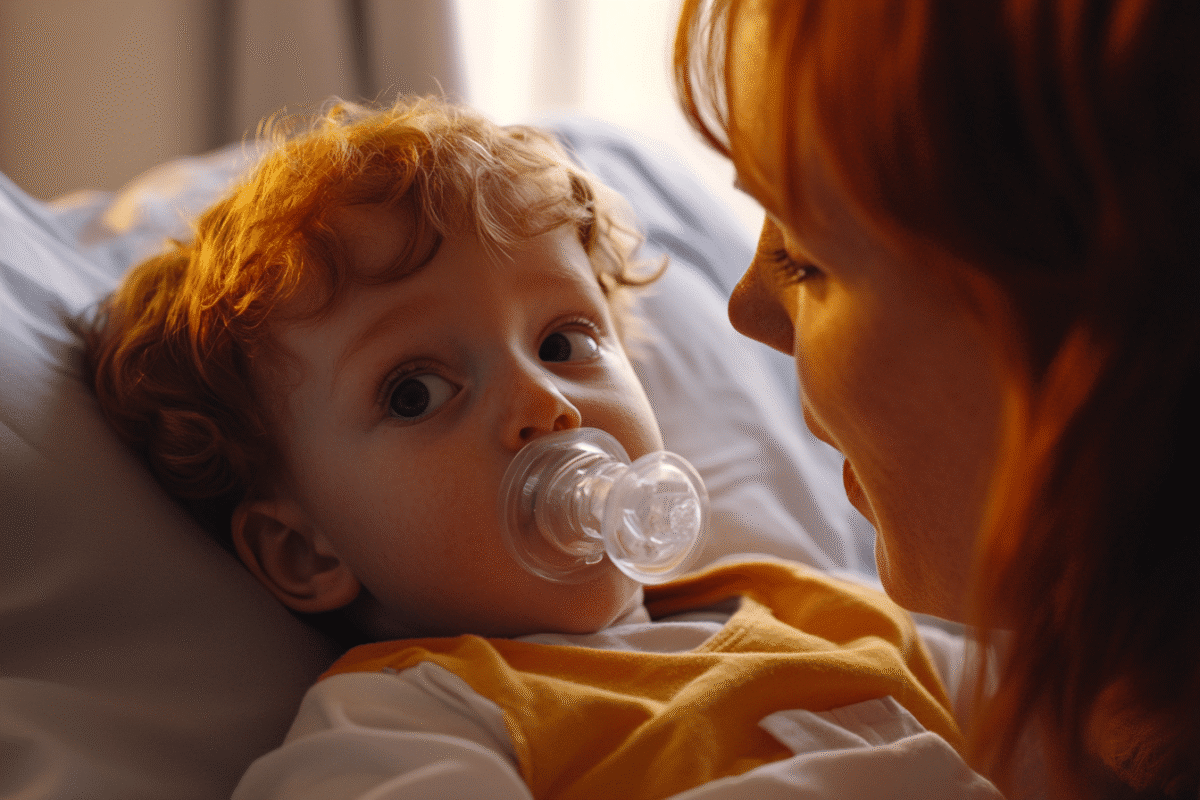
Respiratory physiotherapy is a key discipline for treating various respiratory pathologies. It is essential not only for adults but also for younger individuals, particularly infants and children. Consulting a respiratory physiotherapist can make a real difference in managing diseases like bronchiolitis, which is common in infants. The role of the physiotherapist is even more crucial, as they help maintain good lung function and prevent complications related to airway congestion.
Why consult a respiratory physiotherapist?
For babies and children, it is often recommended to consult in cases of respiratory illnesses such as acute bronchiolitis. Respiratory physiotherapists play an essential role in clearing the airways and improving the respiratory capacity of patients, thereby limiting the risks of complications.
Respiratory diseases: when to consult?
Respiratory diseases require prompt and appropriate management. For infants experiencing their first episode of bronchiolitis, it is often advised to consult to avoid respiratory complications. Regular medical follow-up by a primary care physician is also recommended to effectively manage these pathologies.
Techniques and sessions of respiratory physiotherapy
The main goal of respiratory physiotherapy sessions is bronchial clearance. This technique involves helping patients, especially the youngest, to expel bronchial secretions that may obstruct the airways.
Bronchial clearance: main objectives
The role of the primary care physician is crucial in prescribing physiotherapy sessions. The techniques used by physiotherapists include increased expiratory flow and directed ventilation, which effectively clear the airways. Respiratory physiotherapy sessions are generally covered by social security and mutual insurance, thus facilitating access to care.
Respiratory rehabilitation: method and effectiveness
Respiratory rehabilitation is a method used to improve the respiratory capacity of patients. It is particularly effective after an episode of bronchiolitis. Respiratory physiotherapy sessions should be scheduled following the order prescribed by the healthcare professional to ensure their effectiveness and ensure optimal recovery.
Evolution of respiratory disease
Monitoring the evolution of respiratory diseases is crucial to prevent complications. Regular follow-up of expiratory flow can help detect any potential problems in the lungs and bronchial pathways.
Expiratory flow: monitoring and analysis
It is important to regularly examine the state of the lungs and bronchial pathways to assess the effectiveness of respiratory physiotherapy. In cases of respiratory bronchiolitis, complications may arise if airway clearance is not performed correctly. This is why continuous monitoring is recommended to adjust treatment as needed.
To learn more about the latest news regarding respiratory physiotherapy, visit our dedicated news page.
Respiratory physiotherapy proves essential for effectively treating respiratory conditions, especially in infants and children. Consulting a respiratory physiotherapist is a key step in ensuring appropriate management and preventing complications.